Our Vision: To improve cancer outcomes in Ireland by ensuring all patients receive access to high quality clinical trials.
Our Mission: To enable the safe delivery of novel radiotherapy treatments nationally through the implementation of high-quality clinical trials

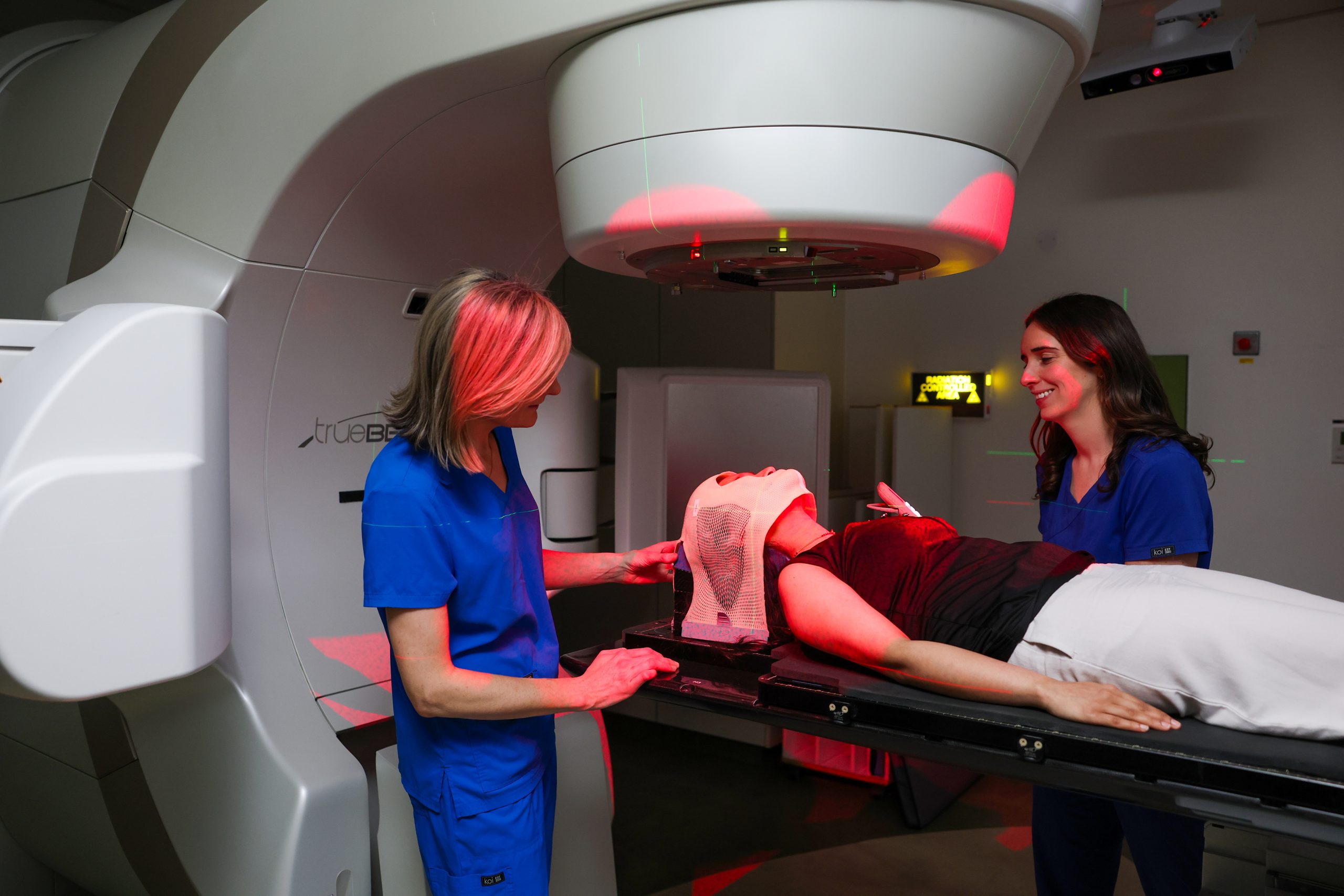

Professor Sinéad Brennan, IRROG Clinical Lead.
Listen as Sinead explains why we founded IRROG and what we aim to achieve:
“To increase access to high-quality cancer clinical trials across the country.”
Róisín Ó Maolalaí, IRROG Manager.
Róisín highlights the importance of equitable access to clinical trials:
“No matter where in the country your live or what your social background you should have access to a clinical trial”
Mr. Paul Earley, participant on an IRROG clinical trial.
Here Paul speaks about his experiences being on a cancer clinical trial.
“I couldn’t speak highly enough of the support and the ongoing care…”



Professor Sinéad Brennan


Professor Sinéad Brennan
Professor Sinéad Brennan serves as the National Lead of IRROG and has been a Consultant Radiation Oncologist at St. Luke’s Radiation Oncology Network (SLRON) and St. James’s Hospital since 2010. She is also a Clinical Associate Professor at Trinity College Dublin, with a clinical and academic focus on head and neck and breast cancers.
Professor Brennan plays a central role in the design, delivery, and governance of radiotherapy research in Ireland. She is a senior leader within Cancer Trials Ireland, serving on both the Executive Committee and Senior Management Group, and chairs the Irish Head and Neck Cancer Disease Subgroup. She has also been a Director on the Board of the Irish Cancer Society from 2016 to 2025, and is an active faculty member of the Radiology and Radiation Oncology Committee at the Royal College of Surgeons in Ireland.
Her leadership extends into the Trinity St James’s Cancer Institute, where she is a member of the Executive Committee, helping shape integrated cancer research strategies. Professor Brennan has led numerous international multicentre clinical trials as Irish Principal Investigator, including DARS, CompARE, and PRESERVE, and continues to advocate for improving trial access, speeding up approval processes, and embedding the patient voice into every step of clinical research.
Professor Joe Martin
Professor Joe Martin
Dr. Joe Martin is the Site Lead for IRROG at University Hospital Galway (UHG) and a Consultant Radiation Oncologist with the Saolta University Health Care Group. He has been instrumental in expanding radiotherapy services and research in the West of Ireland and is a national advocate for equitable access to clinical trials across all regions.
Dr. Martin received his medical degree from University College Dublin, followed by specialist radiation oncology training through the RCSI/St. Luke’s Radiation Oncology Network. He completed an international clinical fellowship in Canada, where he gained advanced training in SBRT, image-guided radiation therapy, and clinical trial integration in large academic centres.
Since joining UHG, Dr. Martin has led the expansion of clinical research activity and advanced treatment delivery in the West. He has served as Principal Investigator on trials in prostate, lung, and gastrointestinal cancers, and is actively involved in developing investigator-led trials that reflect real-world patient needs.
He is deeply committed to decentralising access to radiotherapy trials, ensuring that patients across Saolta hospitals have the opportunity to benefit from innovative therapies and participate in cutting-edge studies. Dr. Martin also mentors junior doctors and research staff, helping to build capacity for radiotherapy research in the region.
His work through IRROG supports a more connected and inclusive national research network, advancing cancer care across every corner of Ireland.
Professor Aisling Barry
Professor Aisling Barry
Professor Aisling Barry is the Site Lead for IRROG at Cork University Hospital (CUH) and holds the pioneering post of Professor and Chair of Radiation Oncology at University College Cork (UCC). She brings a unique blend of international clinical experience, academic leadership, and translational research expertise to the IRROG network.
Professor Barry previously served as a Radiation Oncologist at the Princess Margaret Cancer Centre (PMCC) in Toronto and as Assistant Professor at the University of Toronto, where she was Clinical Lead of the Palliative and Oligo-metastatic Radiation Programme. Her clinical specialties include breast, gastrointestinal, and liver and lung oligo-metastatic cancers, with a strong focus on stereotactic body radiotherapy (SBRT).
She is a graduate of Trinity College Dublin and completed specialist training via the RCSI/St. Luke’s Radiation Oncology Network. Her post-specialist fellowships in breast cancer radiotherapy and SBRT were completed at PMCC, alongside a Master’s in Clinical Epidemiology that focused on quality-of-life outcomes in cancer patients.
Professor Barry is widely recognised for her academic excellence and is the recipient of numerous awards, including the Dr. Richard Steevens’ HSE Fellowship Award, the ASCO Merit Award for her work in liver cancer, and the Lynn Sage Breast Cancer Symposium Award. Her current research integrates cutting-edge radiotherapy with patient-reported outcomes and personalised treatment strategies, and she continues to lead Irish participation in international collaborative trials.
Róisín Ó Maolalaí
Professor John Armstrong
Professor John Armstrong
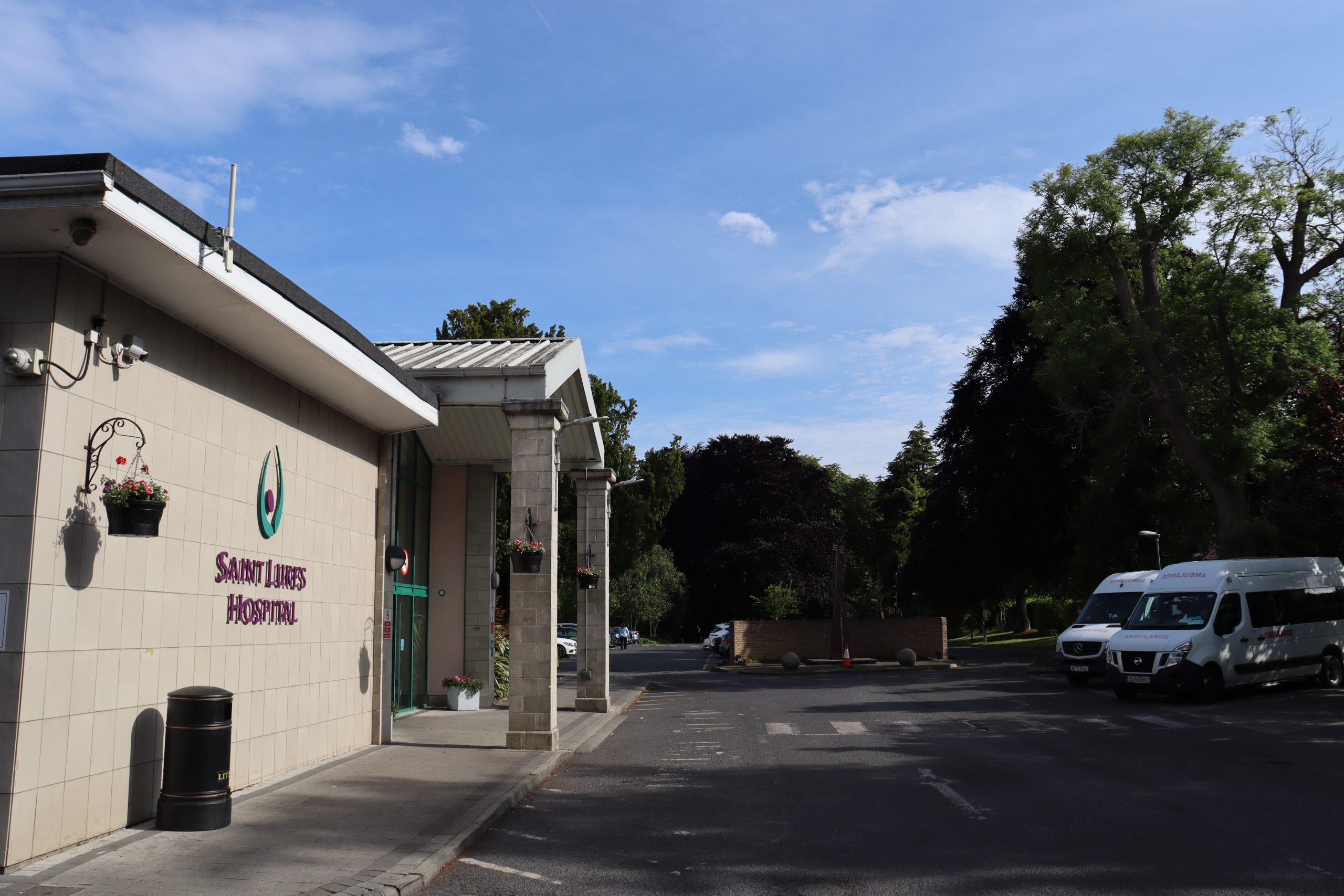
Professor John Armstrong is the IRROG Site Lead at St. Luke’s Hospital Rathgar and has been a major force in advancing radiotherapy research and innovation in Ireland for more than two decades. A former Director of Research at the St. Luke’s Radiation Oncology Network (SLRON), he has overseen some of the most impactful clinical developments in Irish radiotherapy.
Professor Armstrong trained at the Memorial Sloan Kettering Cancer Center in New York, where he directed the Lung Cancer Radiation Research Programme—bringing back with him extensive expertise in advanced radiotherapy techniques and trial methodology. Under his leadership, SLRON was one of the first Irish centres to implement Intensity Modulated Radiation Therapy (IMRT) and Stereotactic Radiosurgery (SRS), now standard in the treatment of complex cancers.
Over his career, Professor Armstrong has authored numerous peer-reviewed publications, lectured extensively, and mentored emerging clinicians and researchers. He has been instrumental in the enrolment of over 2,080 patients into clinical trials at SLRON—a significant national milestone. He currently leads the 18-33 Source Trial, a pioneering investigator-initiated study focused on advanced radiation techniques, which IRROG is supporting for national rollout.
Professor Armstrong remains a driving force for innovation, standardisation, and equitable access to radiotherapy research across Ireland.
Professor Orla McArdle
Dr. Paul Kelly
Dr. Paul Kelly
Dr. Paul Kelly is the IRROG Site Lead at Bon Secours UPMC Cork. He is an experienced clinical trialist and a committed contributor to the IRROG network. With a strong background in stereotactic radiosurgery and neuro-oncology, Dr Kelly has served as a national and UK & Ireland Principal Investigator on major international Phase III trials, including ENZARAD and DASL-HiCaP. He has also been a Board Member of Cancer Trials Ireland, where he played a strategic role in shaping national trial activity.
His site team, comprising experienced clinical, nursing, and radiation therapy personnel, brings substantial capability in trial setup and delivery. Dr Kelly’s academic contributions include impactful publications on stereotactic radiosurgery for brain metastases and malignant spinal cord compression. He leads efforts to expand trial access for patients in the South-West of Ireland and works closely with IRROG to support national recruitment goals and ensure delivery of high-quality, technically complex radiotherapy trials.
Professor Alina Mihai
Professor Alina Mihai is the Site Lead for IRROG at Beacon Hospital, where she brings international research expertise and a commitment to personalised cancer care. Dr Alina Mihai is a key contributor to IRROG, bringing deep clinical and academic expertise in radiotherapy trials. She is a member of the Executive Committee of Cancer Trials Ireland and serves as national Principal Investigator on multiple international Phase III studies, including NRG 005 and COMET-3. Her site was a top global recruiter for both trials, reflecting her leadership in patient access and trial delivery.
With a team comprising clinicians, a research radiation therapist, and an administrator, Dr Mihai has led or participated in 19 national and international radiotherapy trials. Her academic focus includes stereotactic ablative radiotherapy and technical innovations in lung cancer, with publications in high-impact journals. She plays a vital role in strengthening academic-industry partnerships and expanding access to cutting-edge trials for Irish patients.
Professor Dan Cagney
Public and Patient Involvement
Public and Patient Involvement (PPI) is a vital part of our clinical trials work. We actively engage patients, carers, and members of the public in the design, planning, and delivery of our trials to ensure our research reflects real-world needs and priorities. By involving people with lived experience, we aim to make our trials more relevant, inclusive, and impactful.